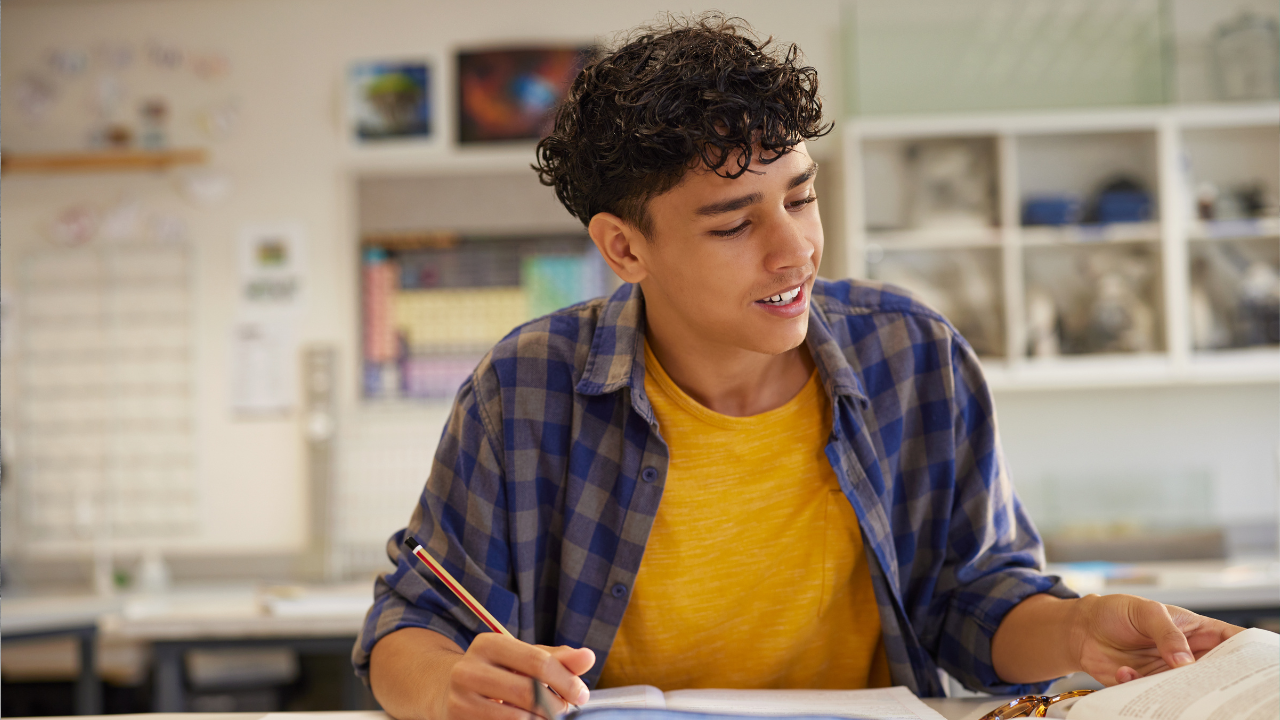
The transition from Year 6 to Year 7 marks a significant milestone in a student’s educational journey. High school brings new challenges, exciting opportunities, and a fresh start. This blog aims to guide students and parents on what to expect in high school, how to prepare over the holidays, tips for making new friends, and setting both academic and personal goals for a successful high school experience.
What to Expect in High School and How to Prepare Over the Holidays
High school introduces a new level of academic rigor and a variety of subjects, from advanced mathematics to science experiments and literature analysis. Students should expect a more demanding workload, diverse teaching styles, and greater independence in their learning. To ease this transition, it’s beneficial to start preparing during the holidays.
Begin by familiarizing your children with the high school curriculum. Many schools provide reading lists or summer assignments that can give students a head start. Engaging in these educational activities every occasionally can also be incredibly beneficial. Additionally, practicing organizational skills, like maintaining a planner or a to-do list, can help manage the increased workload. Something necessary for every growing teen.
For instance, Emma, a student who transitioned from Year 6 to Year 7, spent her summer visiting the local library and reading books on her school’s recommended reading list. This not only helped her get a head start on the curriculum but also boosted her confidence when discussing these books in her new classes.
Tips for Making New Friends and Adjusting to a New Environment
Entering high school often means joining a larger student body, which can be both exciting and intimidating. Making new friends and adjusting to a new environment are crucial for a positive high school experience. Here are some strategies to help ease this process:
- Be Open and Approachable: A friendly smile and a willingness to engage in conversations can go a long way. Don’t be afraid to encourage your children to make new classmates and participate in group activities. Remember, everyone is in the same boat, and many are just as eager to make new friends.
- Seek Support: High schools have guidance counselors and support staff to help students adjust. Encourage your children not to hesitate to reach out to teachers if they’re feeling overwhelmed. Building a support network of teachers, counselors, and older students can provide valuable guidance and reassurance.
Setting Academic and Personal Goals for High School
Setting clear academic and personal goals is essential for high school success. Goals provide direction, motivation, and a sense of accomplishment. Here’s how to effectively set and achieve them:
- Identify Your Interests and Strengths: Understanding what subjects and activities the child enjoys can help them set meaningful goals. If your children have a passion for science, for instance, encourage to watch educational science videos or participate in mini science experiements.
- Set SMART Goals: Ensure your children’s goals are Specific, Measurable, Achievable, Relevant, and Time-bound. Creating a sense of time management and urgency discourages procrastination, fostering an overall better studying habit.
- Balance Academics and Personal Growth: High school is not just about academics. Help them personal goals like learning a new instrument, improving time management skills, or participating in community service. These experiences contribute to a well-rounded education and relevant skill sets in future career.
- Regularly Review and Adjust Your Goals: Goals should be flexible. Regularly assess your children’s progress and discuss their goals as needed. This helps maintain motivation and ensures their goals remain relevant.
For example, Sarah set a goal to read 20 books by the end of the school year. She tracked her progress, adjusted her reading list based on her interests, and celebrated each milestone. This not only improved her reading skills but also fostered a love for literature.
Conclusion
Transitioning from Year 6 to Year 7 is an exciting phase filled with new experiences and opportunities. By understanding what to expect in high school, preparing over the holidays, making an effort to build new friendships, and setting clear academic and personal goals, students can ensure a smooth and successful transition. Help your children today and get started on this new chapter with confidence and enthusiasm, and remember that high school is a journey of growth, learning, and self-discovery.
#preparing for high school success, transition from Year 6 to Year 7, high school expectations, making new friends in high school, adjusting to high school, setting academic goals, personal growth in high school.